

-
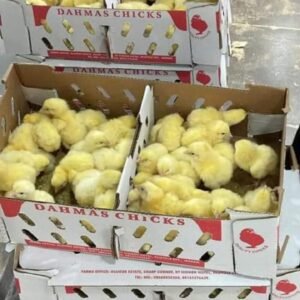 Dahmas Broilers ? Premium Abor Acre Plus Broilers for Fast Growth & High Meat Yield Dahmas Broilers, an Abor Acre Plus breed, are specially bred for fast growth, superior meat yield, and excellent feed conversion efficiency. These broilers are the perfect choice for commercial poultry farmers and small-scale growers who want to maximize productivity while minimizing costs. With strong disease resistance, rapid weight gain, and high profitability, Dahmas Broilers offers the best value for poultry businesses. Why Choose Dahmas Broilers (Abor Acre Plus)? 1. Fast Growth & Market Readiness in 6-8 Weeks Dahmas Broilers reach market weight in just 6 to 8 weeks, making them an excellent choice for poultry farmers who want a quick turnaround and consistent profits. With the right nutrition and management, they can attain an average weight of 2.5 to 3.5 kg, making them highly profitable in the poultry industry. 2. Superior Meat Yield & High Dressing Percentage One of the standout features of Dahmas Broilers is their excellent breast meat development and high dressing percentage. These broilers have a well-balanced body structure, ensuring maximum meat production with minimal wastage. Their tender and juicy meat makes them highly sought after in both fresh poultry markets and meat processing industries. 3. Excellent Feed Conversion Ratio (FCR) for Cost Efficiency Feed cost is one of the biggest expenses in poultry farming. Dahmas Broilers have an optimized feed conversion ratio (FCR), meaning they grow faster with less feed consumption, leading to lower costs and higher profit margins. Their efficient metabolism and nutrient absorption make them one of the most cost-effective broiler breeds available. 4. Strong Disease Resistance & High Survival Rate Dahmas Broilers are bred for strong immunity, reducing the risks of common poultry diseases like Newcastle disease, infectious bronchitis, and coccidiosis. With proper vaccination and biosecurity measures, farmers can enjoy low mortality rates and high productivity, ensuring a smooth and profitable farming experience. 5. Adaptability to Different Farming Systems Dahmas Broilers thrive in various farming conditions, including deep litter systems, battery cages, and free-range setups. They are well-adapted to different climatic conditions, making them a reliable choice for farmers across Nigeria and other regions. Whether you?re running a large-scale commercial farm or a small backyard operation, Dahmas Broilers will deliver excellent results. Ideal for Farmers Who Want: ? Broilers that grow fast and reach market size quickly. ? High-yield birds with excellent meat-to-bone ratio. ? Efficient feed conversion that reduces production costs. ? Low mortality rates due to strong disease resistance. ? A profitable poultry business with consistent revenue. Best Practices for Growing Dahmas Broilers To get the best performance from Dahmas Broilers, follow these best practices: ? Provide high-quality starter, grower, and finisher feeds for optimal growth. ? Ensure proper housing and ventilation to minimize stress and disease risks. ? Maintain a clean and bio-secure environment to prevent infections. ? Give fresh, clean water daily to improve digestion and weight gain. ? Monitor growth rates and adjust feeding schedules as needed. By following these best management practices, you can ensure optimal growth, high meat yield, and maximum profitability from your Dahmas Broilers. Order Dahmas Broilers Today for a Profitable Poultry Business! Dahmas Broilers offer superior performance, fast growth, and high-quality meat, making them the ideal choice for poultry farmers looking to maximize profits. With fast delivery, expert support, and premium-quality chicks, you can trust Dahmas Broilers for a successful and rewarding poultry farming experience. lace Your Order Now & Start Growing Profitable Broilers Today
Dahmas Broilers (Abor Acre Plus)
₦81,900.00 -
 Davebams Pour On We offer Davebams Pour On which is suitable for the treatment and control of external parasites in livestock animals. It helps to safely cleanse your pet?s coat while killing ectoparasites. However, these need to be continually applied at intervals throughout the year to ensure effective protection from reoccurrence. Tick and fleas are ectoparasites that relentlessly cause discomfort to pets, thus resulting in itchiness and irritation as well as exposure to secondary infections. Place an order today, we deliver nationwide! Keep all medications out of reach of children. Davebams Pour On: Suitable for Cow, Sheep, Goat, Poultry ? Withdrawal period Meat: 14 days ? Storage Store in a dry, dark place between 15 ?C and 25 ?C. Store in a closed packing. Wash hands carefully after using this product. Keep the medicine away from children. Do not prepare the solution in hot water. Do not use it for pregnant animals and those with a debilitating ailment. In case of a change in color, prepare freshwater ? Contraindications Do not administer to other animals than recommended. Severe adverse reactions, including fatalities in dogs, may occur. Do not use in pregnant animals, breeders in production, or layers producing eggs for human consumption. Do not administer to cows during the lactating period. ? Side effects None.
Davebams Pour On (Pour-On for Livestock | 500mL | 1L)
₦4,160.00 -
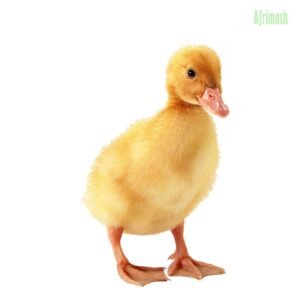 Foreign Ducklings ? High Yield and Fast Growth If you?re aiming for premium meat or egg production, our foreign ducklings are an excellent choice. These improved breeds are known for their fast growth rate, high feed conversion efficiency, and large body size. ? Key Features of Foreign Ducklings Fast-Growing Meat Breeds: Foreign ducks such as Pekin, Muscovy, and Rouen mature quickly and reach market weight faster than local varieties. Superior Egg Production: On average, foreign breeds lay between 200?280 eggs per year, depending on management and feed quality. Uniform Growth: Ideal for commercial duck farming, their consistent body size simplifies feeding schedules and market pricing. High Market Demand: Foreign duck breeds attract premium prices due to their white skin, tender meat, and larger egg size. Popular Foreign Duck Breeds We Supply Pekin Ducklings ? The world?s most popular commercial duck breed. They grow fast, are calm, and produce delicious, tender meat. Muscovy Ducklings ? Known for lean meat and adaptability. Excellent choice for semi-intensive or free-range farming. Khaki Campbell Ducklings ? Best suited for egg production, laying up to 300 eggs per year under good management. Rouen Ducklings ? Attractive, dual-purpose breed with rich-flavored meat and steady egg output. All our foreign ducklings are bred from high-performance parent stock to ensure uniformity, vigor, and disease resistance. Local Ducklings ? Hardy, Affordable, and Easy to Manage For smallholder farmers or first-time poultry keepers, local ducklings offer exceptional value. Indigenous breeds are hardy, resilient, and well-adapted to Nigeria?s tropical climate. ? Key Features of Local Ducklings Highly Hardy and Disease-Resistant: Local ducklings thrive even in less controlled environments, making them perfect for beginners or extensive systems. Low Feeding Cost: They are efficient scavengers and can supplement their diet with grains, insects, and farm residues. Adaptability: Local ducks withstand heat, humidity, and fluctuations in weather conditions. Dual-Purpose Use: They provide both quality meat and eggs, supporting family nutrition and small-scale income generation. Affordable Price Point: Local ducklings are budget-friendly, allowing farmers to start with minimal investment. Common Local Duck Varieties in Nigeria Native Muscovy (Nigerian Muscovy) ? Strong, self-reliant, and well-adapted to local feed resources. Local Mallard Type Ducks ? Small-bodied, quick to mature, and excellent for small household production. Our local ducklings for sale are hatched and reared by trusted Nigerian breeders who maintain high hatchery hygiene and vaccination standards. Benefits of Raising Ducks in Nigeria Duck farming is fast becoming one of the most profitable ventures in Nigeria?s poultry industry. Both foreign and local ducks offer attractive returns on investment due to their strong market demand and minimal maintenance needs. Profitability Highlights: High Market Demand: Duck meat and eggs are in demand across hotels, restaurants, and local markets. Low Mortality Rate: Ducks are more resistant to many common poultry diseases compared to chickens. Easy Management: Ducks can be raised alongside other livestock, reducing space and feed costs. Good Return on Feed: Ducks convert feed into meat and eggs efficiently, increasing profitability. Sustainable Farming: Ducks can thrive on natural ponds or wetlands, integrating well into eco-friendly or mixed farming systems. Whether you?re farming for meat, eggs, or breeding purposes, ducklings provide quick turnover and consistent cash flow. Management Tips for Healthy Ducklings To help your ducklings thrive: Maintain brooder temperature at 32?35?C for the first week, then gradually reduce it. Provide clean water at all times ? ducks drink and play in water frequently. Feed with high-protein starter feed (18?20%) for the first 3 weeks. Keep the brooder dry and well-ventilated. Protect ducklings from predators and cold drafts. With good management, foreign ducklings can reach market weight (2?3 kg) in just 8?10 weeks, while local ducklings take about 12?14 weeks.
Day Old Ducklings (Local Breed | Exotic Breed)
₦6,370.00 -
-
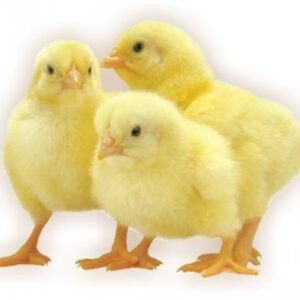 Fidan Arbor Acres Plus Broilers The arbor acres plus ? through a progressive program of breeding and selection ? have been developed to serve the increasing demand for quality white meat. Thus this breed has been?steadily improved through established breed selection processes involving traditional and novel scientific technology. This ensures consistency and value is added to the end products. Therefore, the cornerstone of the Arbor Acres brand is the highly successful and competitive?Arbor Acres Plus. The Plus is bred to produce chicken efficiently through consistent parent performance, excellent broiler performance, and good processing yield. These are of mutual benefit to the breeder farms, hatcheries, poultry farmers, and customers alike. Thus,?In markets where broilers are still mostly sold whole, its breast?conformation is sure to attract the consumers? attention. Additional tips for raising broilers Preheat the sheds three days before placement, so that when the chicks arrive the concrete and bedding will be warm enough (as the chick?s body will be in contact with the floor, thus failure to have adequate floor temperatures will mean the chicks are likely to huddle especially if the heat source is not enough). Bedding: Wood shavings are ideal. Therefore ensure there are no pieces of foreign materials (glass or metal) and ensure bedding material is dry. Always monitor your birds closely to ensure a good spread of chicks and flock activity. Strictly adhere to the vaccination and medication schedule sent to your email after purchase. Involve the services of qualified veterinary personnel as well, for the routine farm visits, vaccinations, prophylactic treatment, etc. Note Kindly be informed our day-old chicks prices are updated twice weekly based on the prevailing market rates. Kindly review available options here?and place your orders or confirm with our Customer Experience Team via LiveChat or phone call on 08094091115
Day-Old FIDAN Broilers (Arbor Acres Plus)
₦79,950.00 -
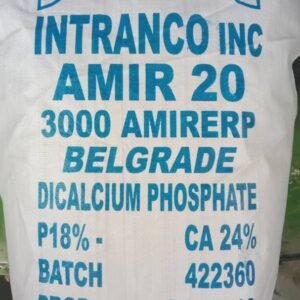 Dicalcium phosphate (DCP) Dicalcium phosphate (Dibasic calcium phosphate) is mainly used as a feed additive/supplement in the livestock feed industry. It is also used as a tableting agent in some pharmaceutical preparations especially odour control products. Phosphate chemicals are used commercially in fertilizers, animal feeds, and industrial products, and as additives in food. Calcium phosphates, the most widely used phosphate supplements, supply essential minerals for the development of strong teeth and bones in livestock, poultry, and pets. Feed-grade calcium phosphates include dicalcium phosphate (DCP), monocalcium phosphate (MCP), and tricalcium phosphate (TCP). Di-Calcium Phosphate (DCP) is a type of calcium phosphate which is dibasic. It is usually found as dihydrate, but can be thermally converted into an anhydrous form. Feed phosphates are used mainly in the poultry and swine sectors, and to a much lower extent in cattle feed. Poultry production consumes more phosphorus than any other meat source.
DiCalcium Phosphate DCP ? Feed Grade (50kg)
₦260,000.00 -
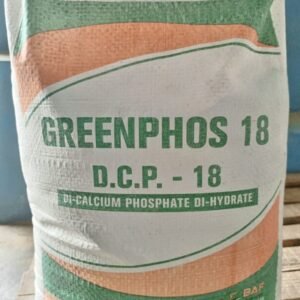 Dicalcium phosphate (DCP) Dicalcium phosphate (Dibasic calcium phosphate) is mainly used as a feed additive/supplement in the livestock feed?industry. It is also used as a tableting agent in some pharmaceutical preparations especially odour control products. Specifications TRADE NAME:?BEMphos 18% P CHEMICAL NAME:?Dicalcium phoshate ? dehydrate CHEMICALS FORMULA :?CaHPO4?2H2O CHEMICALS FAMILY :?Inorganic Salts MOLECULAR WEIGHT:?172.09 gr/mol APPERANCE ? COLOUR:?White powder and granular PACKING : 25 kg p.p bags Composition Moisture: 1.72% Solubility in citric acid: ( 2 %) min ?98.35% Calcium (Ca): 24.43% Phosphorous (P): 18.30% Particle size: 0.3-2mm Fluoride: 0.14% Arsenic: 6.3 ppm Cadmium: 6.1 ppm Lead: 1.00 ppm mercury: 0.01 ppm Attributes Phosphate chemicals are used commercially in fertilizers, animal feeds, and industrial products, and as additives in food. Calcium phosphates, the most widely used phosphate supplements, supply essential minerals for the development of strong teeth and bones in livestock, poultry, and pets. Feed-grade calcium phosphates include dicalcium phosphate (DCP), monocalcium phosphate (MCP), and tricalcium phosphate (TCP). Di-Calcium Phosphate (DCP) is a type of calcium phosphate which is dibasic. It is usually found as dihydrate, but can be thermally converted into an anhydrous form. Feed phosphates are used mainly in the poultry and swine sectors, and to a much lower extent in cattle feed. Poultry production consumes more phosphorus than any other meat source. Notice to farmers! Livestock farmers handling?drugs?must be cautious about the drugs and commit to the judicious management, use, and administration of antimicrobials. In addition to this, farmers should promote routine health programs that prevent disease. This will save the farmers the stress and money involved in purchasing medicaments. The farm management systems, biosecurity, vaccination programs, nutrition, and hygiene should be strengthened. You should make a selection of antibiotics after proper consultation at a diagnostic laboratory or a veterinarian. The withdrawal periods of each drug should be strictly followed.
DiCalcium Phosphate DCP ( 18%P | Feed Grade | 25kg)
₦0.00 -
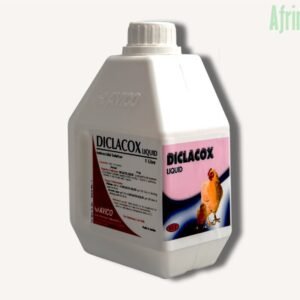 Diclacox Liquid Diclacox Liquid?is effective for the prevention and treatment of the following diseases: Poultry: Intestinal coccidiosis, mixed coccidial and comorbidities consequent to the infection of coccidial organisms. Calves, lambs, and piglets: Enteritis caused by coccidial and bacterial infections. Rabbits: Intestinal coccidiosis and bacterial infections. ? Properties of Diclacox Liquid Diclazuril, the active ingredient of Diclacox, is a benzeneacetonitrile derivative.?Its effect on the asexual and sexual stages of coccidia blocks the excretion of oocysts inducing an interruption of the life cycle of the parasite. Diclazuril was shown in studies to reduce lesions scores and improve the performance and health of birds challenged with E. maxima. ? Composition Each 1 ml contains: Diclazuril 10 mg Indication Diclacox is indicated for the prevention of coccidiosis in poultry caused by Eimeria tenella, E. necatrix, E. acervulina, E. brunetti, E. mitis (Mivati) and E. maxima. Diclacox reduces the damage and lesion scores of Coccidia and improves the performance and health of infected animals ? Dosage and Administration Poultry: Add 50 ml Diclacox per 200 litres of drinking water for 48 hrs. For Severe Cases: add 100 ml Diclacox per 200 litres of drinking water for 48 hrs. ? Withdrawal period Meat:?5 days. ? Storage Store in a dark place at a temperature below 30?C. For Veterinary Use Only
Diclacox Liquid (Anticoccidial Medication) ? 1 Litre
₦39,129.99 -
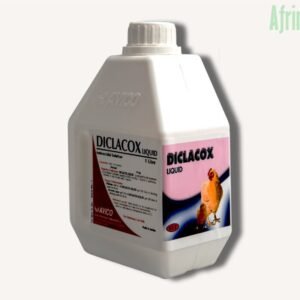 Diclacox Liquid Diclacox Liquid?is effective for the prevention and treatment of the following diseases: Poultry: Intestinal coccidiosis, mixed coccidial and comorbidities consequent to the infection of coccidial organisms. Calves, lambs, and piglets: Enteritis caused by coccidial and bacterial infections. Rabbits: Intestinal coccidiosis and bacterial infections. ? Properties of Diclacox Liquid Diclazuril, the active ingredient of Diclacox, is a benzeneacetonitrile derivative.?Its effect on the asexual and sexual stages of coccidia blocks the excretion of oocysts inducing an interruption of the life cycle of the parasite. Diclazuril was shown in studies to reduce lesions scores and improve the performance and health of birds challenged with E. maxima. ? Composition Each 1 ml contains: Diclazuril 10 mg Indication Diclacox is indicated for the prevention of coccidiosis in poultry caused by Eimeria tenella, E. necatrix, E. acervulina, E. brunetti, E. mitis (Mivati) and E. maxima. Diclacox reduces the damage and lesion scores of Coccidia and improves the performance and health of infected animals ? Dosage and Administration Poultry: Add 50 ml Diclacox per 200 litres of drinking water for 48 hrs. For Severe Cases: add 100 ml Diclacox per 200 litres of drinking water for 48 hrs. ? Withdrawal period Meat:?5 days. ? Storage Store in a dark place at a temperature below 30?C. For Veterinary Use Only
Diclacox Liquid (Anticoccidial Medication) ? 1 Litre
₦39,129.99 -
Diclacox Liquid Diclacox Liquid?is effective for the prevention and treatment of the following diseases: Poultry: Intestinal coccidiosis, mixed coccidial and comorbidities consequent to the infection of coccidial organisms. Calves, lambs, and piglets: Enteritis caused by coccidial and bacterial infections. Rabbits: Intestinal coccidiosis and bacterial infections. ? Properties of Diclacox Liquid Diclazuril, the active ingredient of Diclacox, is a benzeneacetonitrile derivative.?Its effect on the asexual and sexual stages of coccidia blocks the excretion of oocysts inducing an interruption of the life cycle of the parasite. Diclazuril was shown in studies to reduce lesions scores and improve the performance and health of birds challenged with E. maxima. ? Composition Each 1 ml contains: Diclazuril 10 mg Indication Diclacox is indicated for the prevention of coccidiosis in poultry caused by Eimeria tenella, E. necatrix, E. acervulina, E. brunetti, E. mitis (Mivati) and E. maxima. Diclacox reduces the damage and lesion scores of Coccidia and improves the performance and health of infected animals ? Dosage and Administration Poultry: Add 50 ml Diclacox per 200 litres of drinking water for 48 hrs. For Severe Cases: add 100 ml Diclacox per 200 litres of drinking water for 48 hrs. ? Withdrawal period Meat:?5 days. ? Storage Store in a dark place at a temperature below 30?C. For Veterinary Use Only
Diclacox Liquid (Anticoccidial Medication) ? 1 Litre
₦39,129.99 -
Diclacox Liquid Diclacox Liquid?is effective for the prevention and treatment of the following diseases: Poultry: Intestinal coccidiosis, mixed coccidial and comorbidities consequent to the infection of coccidial organisms. Calves, lambs, and piglets: Enteritis caused by coccidial and bacterial infections. Rabbits: Intestinal coccidiosis and bacterial infections. ? Properties of Diclacox Liquid Diclazuril, the active ingredient of Diclacox, is a benzeneacetonitrile derivative.?Its effect on the asexual and sexual stages of coccidia blocks the excretion of oocysts inducing an interruption of the life cycle of the parasite. Diclazuril was shown in studies to reduce lesions scores and improve the performance and health of birds challenged with E. maxima. ? Composition Each 1 ml contains: Diclazuril 10 mg Indication Diclacox is indicated for the prevention of coccidiosis in poultry caused by Eimeria tenella, E. necatrix, E. acervulina, E. brunetti, E. mitis (Mivati) and E. maxima. Diclacox reduces the damage and lesion scores of Coccidia and improves the performance and health of infected animals ? Dosage and Administration Poultry: Add 50 ml Diclacox per 200 litres of drinking water for 48 hrs. For Severe Cases: add 100 ml Diclacox per 200 litres of drinking water for 48 hrs. ? Withdrawal period Meat:?5 days. ? Storage Store in a dark place at a temperature below 30?C. For Veterinary Use Only
Diclacox Liquid (Anticoccidial Medication) ? 1 Litre
₦39,129.99 -
Diclacox Liquid Diclacox Liquid?is effective for the prevention and treatment of the following diseases: Poultry: Intestinal coccidiosis, mixed coccidial and comorbidities consequent to the infection of coccidial organisms. Calves, lambs, and piglets: Enteritis caused by coccidial and bacterial infections. Rabbits: Intestinal coccidiosis and bacterial infections. ? Properties of Diclacox Liquid Diclazuril, the active ingredient of Diclacox, is a benzeneacetonitrile derivative.?Its effect on the asexual and sexual stages of coccidia blocks the excretion of oocysts inducing an interruption of the life cycle of the parasite. Diclazuril was shown in studies to reduce lesions scores and improve the performance and health of birds challenged with E. maxima. ? Composition Each 1 ml contains: Diclazuril 10 mg Indication Diclacox is indicated for the prevention of coccidiosis in poultry caused by Eimeria tenella, E. necatrix, E. acervulina, E. brunetti, E. mitis (Mivati) and E. maxima. Diclacox reduces the damage and lesion scores of Coccidia and improves the performance and health of infected animals ? Dosage and Administration Poultry: Add 50 ml Diclacox per 200 litres of drinking water for 48 hrs. For Severe Cases: add 100 ml Diclacox per 200 litres of drinking water for 48 hrs. ? Withdrawal period Meat:?5 days. ? Storage Store in a dark place at a temperature below 30?C. For Veterinary Use Only
Diclacox Liquid (Anticoccidial Medication) ? 1 Litre
₦39,129.99 -
 Dicox 2.5% (Centre Brand | Anticoccidial | 100ml | 1 Liter) We offer Centre-Dicox which is a drug valuable in the poultry industry for the treatment and prevention of coccidiosis. Always adhere to the usage guidelines. Keep all drugs out of reach of children and pets. ? Dicox 2.5% (Centre Brand | Anticoccidial | 100ml | 1 Liter): Dosage and administration Add 100ml of the product into 500 ? 1000litres of drinking water for 2 days. Medicated water should be consumed within 24 hours. ? Special Warnings Mix well with the feed, because of the effect and adverse reaction. Avoid contact with skin and eyes. ? Target Animals Chicken and Turkey ? Withdrawal Period Meat; 5 days ? Precaution for using Dicox 2.5% (Centre Brand | Anticoccidial | 100ml | 1 Liter) Do not use in birds producing eggs for human consumption. ? Adverse Reaction No adverse reaction according to the recommended dosage. ? Storage Seal and store in a dry place, protect from light. Keep out of reach of children. ? Where can I use Centre-Dicox? You might have asked yourself, should diclazuril be used in the starter feed, the grower feed, or in both? It is important to include diclazuril in the starter ration to reduce the build-up of oocysts in the litter. Although lesions due to Eimeria are not often seen before 3 weeks of age, this is the period when the initial infection and multiplication of the parasite occurs. In addition, diclazuril can be included in the grower ration because this is the period when the pathogenic effects of coccidiosis are most likely. Another reason to include diclazuril in both feeds is to eliminate any resistant strains, a goal that cannot be readily achieved in shuttle programs where a chemical is used only in the starter feed. This is because any oocysts of a ?resistant? strain can survive in the litter for the brief period that a chemical is present in the starter feed. Findings suggest that when diclazuril is included in the grower feed, performance is similar to or better than other ionophore programs.
Dicox 2.5% (Centre Brand | Anticoccidial | 100ml | 1 Liter)
₦6,825.00 -
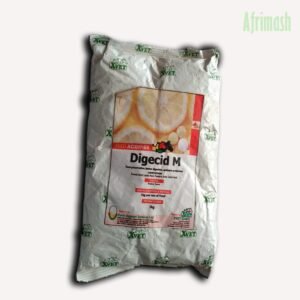 Digecid: Feed preservative, better digestion, optimum protection.? Antibiotics have been used in?animal feeding for more than 50 years, and the consequences?are, residues, alteration in ?farm-to-fork? safe food, and?resistance. The use of organic?acids help to; Improve digestion,?thus the breakdown of all fats,?proteins, and carbohydrates. Improve absorption which?enhances growth, weight gain, lowers FCR, and increases production parameters. Digecid is a powerful acid premix to decrease the risks of pathogen contamination, colonization and multiplication in feed. Composition Formic, Fumaric, Citric and Lactic acids Mechanism of action Once ingested Digecid creates an acidic barrier protecting intestinal tract from pathogen colonization and supporting beneficial gut flora. These positive effects also contribute to improved digestion, thus the breakdown of fats, proteins and carbohydrates increasing their utilization. Advantages of Digecid Feed Acidifier This feed additive helps to enhance growth, increase weight gain, lower FCR and improves production parameters. In early ages, helps the digestion as young animals are not capable of synthesizing sufficient stomach/gizzard acids. Increases the digestibility and availability of fats, starch, and proteins. Regulates the passage rate of digesta, along the digestive tract. Helps to create a protective barrier at the level of feed, or at the first part of the digestive tract to decrease the risks of oral infections. Shortens the time of acid production in the stomach, helping to decrease pH quickly. Enhances activity of proteolytic enzymes hence improves protein digestibility. Stimulates other digestive enzymes. Decreases enteric infection risks Why Digecid? The need for sustainable, responsible growth enhancers. Need for alternatives to antibiotic growth promoters. More tools to combat side effects originating from diseases and management issues. Growing urgency of taking care of the environment due to misuse of chemicals and pharmaceuticals. Indication For poultry and swine Administration and dosage Mix well with the feed at a rate of 1 kg per ton of feed.
Digecid-Feed Acidifier For Poultry And Swine
₦0.00 -
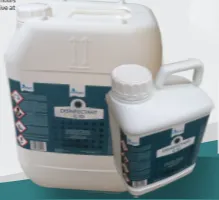 Disinfectant G10 is a powerful broad-spectrum disinfectant, that has the ability to eliminate all kinds of microorganisms (bacteria, fungi, viruses & spores) on the farm and its environs. The Resurgence of the Highly pathogenic Avian Influenza virus in some parts of the country is a serious threat to the poultry industry considering the devastating nature of the disease. We need to improve biosecurity measures with the use of a strong disinfectant specifically active against the avian influenza virus, hence the need for Disinfectant G10. COMPOSITION (DISINFECTANT G10 SOLUTION) Glutaraldehyde 10,00% Alkyl benzyl dimethyl ammonium chloride 9,00% MAIN PROPERTIES OF DISINFECTANT G10 Broad-spectrum efficient disinfectant to eliminate all types Of microorganisms such as bacteria, viruses, fungi, spores. It is recommended for disinfecting: Livestock facilities, surfaces, and equipment. Water troughs, troughs and tools, and materials (boots, wheelbarrows, etc.). Incubation, delivery, and nursing rooms Vehicles, foot baths, wheel dips, and disinfection arches. Food industry premises It has the ability to penetrate everywhere including where microorganisms are difficult to assess due to being protected by debris, dirt, fat deposit, or organic waste. DOSAGE: I Litre Of dissolution to treat 10-20 meter square DIRECTIONS FOR USE Dissolve in water the necessary dosage and spray on the surfaces to be treated It is recommended to wash With detergent before disinfecting. KEY ADVANTAGES Low cost Great influence spectrum Security deadline of 6 hours Fast-acting and effective at low concentration
DISINFECTANT G10 | 5L | 20L
₦0.00
LIVESTOCK SECTION
Shop by Category
 No products in the cart.