

-
 Guard Force Powder Herbicide Guard force powder is a selective and systemic post-emergence herbicide for the control of most annual and some perennial grasses and broadleaf weeds in maize crops. Active Ingredient in Guard Force Herbicide Nicosulfuron 75% WDG Mode of action: Nicosulfuron is rapidly absorbed into the weed leaves and is translocated through the xylem and phloem towards the meristematic zone. In this zone, Nicosulfuron inhibits acetolactate synthase (ALS), a key enzyme for branched?chain amino acids synthesis, which results in the cessation of cell division and plant growth. Description Guard Force is a selective systemic pre-emergence herbicide. Container and/or fields must be weed-free before applying preemergence herbicides.? Thus it is recommended that the herbicide is applied soon after potting or planting. Many weeds germinate within days of receiving optimal environmental conditions. Thus, after you?ve planted your fields, and in the process brought weed seed to the soil surface, many weeds can germinate within several days. Application Rate 1.5 litres per hectare and 50ml per knapsack sprayer. Controlled Weeds Digitaria sanguinalis, Setaria viridis, Eleusine indica, Avena fatua, Ceperus microiria, Galinsoga ciliata, Stellaria media, Polygonum lapathifolium, Chenopodium album, Sida spinosa, Abutilon, heophrasti Benefits: Highest levels of long-term weed control. Greater consistency in a wider range of weather conditions. Less packaging, handling, and waste than other herbicide formulations. Symptoms develop more quickly allowing cultivation intervals to be reduced. Precautions: Not to be sprayed in windy conditions (above 15km/hr). Do not allow spray mist to drift onto desirable vegetation. Place your order today, we deliver nationwide
Guard Force Powder Herbicide | Post-emergence |100g
₦0.00 -
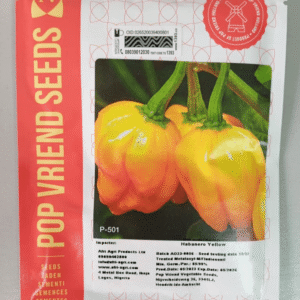 Why Choose Our Habanero Yellow Pepper Seeds? 1. Distinctive Heat and Flavor Habanero Yellow Peppers are celebrated for their explosive heat, ranging from 100,000 to 350,000 Scoville Heat Units (SHU). Our seeds produce peppers that capture this exceptional flavor profile. 2. High Germination Rate Our Habanero Yellow Pepper Seeds are meticulously selected and tested to ensure a high germination rate. Expect strong, healthy plants and a generous harvest of vibrant yellow peppers. 3. Easy to Grow Suitable for gardeners of all levels, our seeds are adaptable to various climates. They thrive in warm, sunny conditions and can be grown in pots, containers, or directly in the garden. Enjoy reliable results whether you?re starting your peppers indoors or planting them outdoors. 4. Premium Quality We take pride in offering non-GMO, chemical-free seeds sourced from trusted growers. Our Habanero Yellow Pepper Seeds are subjected to rigorous quality checks, ensuring that you receive a top-notch product every time. Growing Tips for Habanero Yellow Peppers Starting Seeds Indoors Timing: Start seeds indoors 8-10 weeks before the last expected frost. Temperature: Maintain soil temperatures between 70-85?F (21-29?C) for optimal germination. Light: Provide 14-16 hours of light per day using grow lights or a sunny windowsill. Transplanting Outdoors Timing: Move seedlings outdoors once the danger of frost has passed and soil temperatures are consistently above 60?F (15?C). Spacing: Space plants 18-24 inches apart in well-draining soil with full sun exposure. Care and Maintenance Watering: Keep soil evenly moist but not soggy. Fertilizing: Use a balanced fertilizer or compost to support healthy growth and fruit production. Harvesting: Pick peppers when they turn a bright yellow for the best flavor and heat.
Habanero Yellow Seeds
₦30,550.00 -
 HONEST COMPOST | ORGANIC BLACK EARTH Introducing our Organic Black Earth Honest Compost: a premium blend designed to enrich soil and nurture your plants naturally. Crafted with care, this compost is made from organic ingredients, ensuring optimal nutrition for your garden. With its rich texture and balanced composition, it improves soil structure, promotes microbial activity, and enhances water retention. Say goodbye to chemical fertilizers and embrace the power of nature with our Organic Black Earth Honest Compost. Your plants will thank you for it! Honest Compost is 100% Organic made from nature?s finest and most nutritious additives. We have infused the most natural elements of NPK into our Honest Compost ensuring that your plants and vegetables remain adequately vitalised. Our Honest Compost improves soil structure, increases microbial activity, increases yield and reduces erosion in soil. Aha! Also we use 0% animal droppings in the creation of this bag ensuring you have a pathogen free?experience.
HONEST COMPOST | ORGANIC BLACK EARTH
₦41,600.00 -
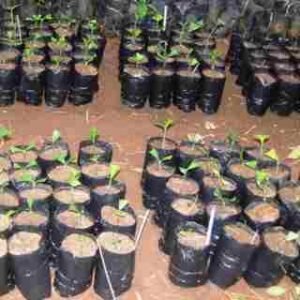 Bitter Kola (Garcinia kola) is known for a lot of beneficial properties. It is adapted to humid rain forests. Bitter kola seedlings are not common because of the problems farmers face with germination. Most times, farmers find it difficult to break dormancy in the seeds and unless the seed coat is removed, growth is unlikely. And this is why Bitter Kola seedlings are the best for farm propagation ? Features Bitter Kola seedlings can grow to maturity to yield up to 500 fruits and 1700 nuts each year. Bitter Kola can reach a height of 30m, and has leathery leaves, and greenish-white flowers. Its tree may serve as shade in Cocoa plantations. Bitter Kola prefers wet or moist soils though can grow in any soil type. Benefits of Bitter Kola The seeds are used for lived disorders, colic, head or chest colds, bronchitis, cough etc. The roots are used as chewing sticks. The bark has sticky resinous gum which can be used to treat gonorrhoea. The gum can also be used to cover new sounds. The seed and bark can be used to treat stomach pains. The leaf is purgative and can be used to treat pulmonary and Gastrointestinal problems. Eating dry seeds can cure dysentery. The root and bark of Bitter Kola can be used to infuse fertility in both males and females.Bitter kola 2-3 years (Improved-Grafted variety) Bitter kola 4-5 years ( Improved variety ) Bitter kola 7-9 years ( Local variety)
Hybrid Bitter Kola Seedlings
₦4,550.00 -
 Hybrid Cashew Seedlings ? CASHEW VARIETIES There are three main varieties which are Brazilian cashew, Chinese cashew, and Indian cashew. Brazilian cashew is mostly grown in Nigeria. Cashew is highly cross-pollinated and vegetative propagation is mainly recommended on a commercial scale to produce true to type planting materials. The nuts can be sowed 3 ? 4 per hole or raised in the nursery and transplanted in the field. After the establishment, the plants are thinned to one healthy and vigorous plant per stand. Cashew can be propagated by seedlings, air layers, and softwood grafts. ? PROPAGATION BY SEEDLINGS Selection of mother trees Selected mother trees should be of good health, vigorous growth, and intensive branching habit with panicles having a high percentage of hermaphrodite flowers. The trees should bear nuts of medium size and weight (5-8 g/nut) with an average yield of 15 kg nuts per annum and 7-8 nuts per panicle. Raising seedlings Raise seedlings in polythene bags during May. Soak seed nuts in water for 18 to 24 hours to hasten germination. Sow the pre-soaked seed nuts in polythene bags filled with garden soil at a depth of 2-3 cm with the stalk end up. Seeds germinate in seven to ten days. Selection of seed nuts Fresh seed nuts should be collected during the peak period of harvest in February-March and sun-dried for 2-3 days. Medium-sized nuts of 7-9 g should be selected in order to get uniform and vigorously growing seedlings. The sun-dried, graded seeds should be treated with carbaryl (5g/Kg of seeds) before storing them in gunny bags or polythene bags. Preparation of the potting mixture Prepare the potting mixture in the proportion of one part red soil, one part sand and one part compost in heavy rainfall areas and one part red soil, one part compost in low rainfall areas and mixed with a little quantity of rock phosphate (10g/2Kg of the potting mixture). Sowing of seeds The seed nuts should be soaked in water for 12-24 hours before sowing in order to get good germination. At the time of sowing the soil should be moist and loosened in the polythene bag. Sow the seeds at a depth of not more than 2.5 cm and cover them with little soil. ? Additional tips The seed nuts usually germinate within 15-20 days after sowing. Seedbed may be mulched with paddy straw till germination takes place and partial shade may be provided during summer months. A fertilizer dose of 750 g N, 325 g P2O5, and 750 g K2O per plant is recommended for cashew. Apply 1/5th dose after the completion of the first year, 2/5th dose during the second year. Pineapple is the most profitable inter-crop in cashew plantation in the early stages of growth. A spacing of 7.5 m x 7.5 m has been recommended for poor soils, and for rich, deep, and coastal sandy soils a wider spacing of 10 m x 10 m is prescribed. The fruits will be ready for harvest in about two months after the fertilization of the flowers.
Hybrid Cashew Seedlings (Jumbo Varieties)
₦1,950.00 -
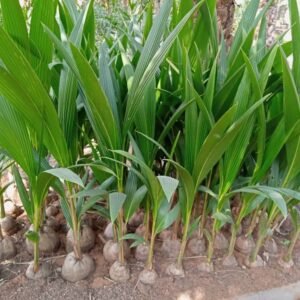 We offer hybrid coconut seedlings. Kindly note, after 12 months in the main nursery bed, coconut seedlings are ready for planting out in the field and this should coincide with the onset of rains. Proper selection of seedlings in the main nursery alone ensures a 10% improvement in yield. Below are major considerations for coconut seedlings: Shoots should have a girth of 10-12 cm at the collar with about 6 leaves. Short and thick leaf stalks. Seedlings should have a robust healthy appearance and be free from pests and diseases. Important Notice!!! After the coconut has been planted point side down with one-third of the coconut above the soil, it is moved to a well-lit, warm spot, the warmer the better as coconuts do best in spots that are 70 degrees F (21 degrees C) or warmer. It is important to keep coconuts well-watered during germination without letting it sit in overly wet soil. If you want to plant a coconut that has already sprouted, go ahead and plant it in well-draining soil so that the bottom two-thirds of the coconut is in the soil. Place in a warm area and water frequently. Hybrid Coconut Seedlings Flowers 3-4 years after yield establishment and produces 81 nuts per palm per year. It has been proven to be resistant to the Lethal Yellowing Disease of coconut. Therefore, this particular variety is now being advocated for combating the disease. This variety is also used for ornamental purposes. Transplanting Seedlings Seedlings should be removed from the main nursery by lifting with a spade and the roots carefully cut. Seedlings should never be lifted from the soil by pulling the leaves or stem. It is important to keep the seedlings in the shade and out of the sun and to have them planted as early as possible after removal from the main nursery. Once your coconut tree has started growing, water the coconut tree frequently. As long as the soil drains well, you really can?t water it too often. Second, growing coconut palms are heavy feeders that require regular, complete fertilizer. Look for a fertilizer that provides both the basic nutrients plus trace nutrients like boron, manganese, and magnesium. Third, coconut palms are very cold-sensitive. If you live in an area that gets cold, provide supplemental light indoors and keep it away from drafts. In the hot season, summer, grow it outdoors and make sure you place it in a very sunny and warm spot. ? Growing coconut seedlings in polythene bags For seedlings grown in polythene bags, advantages include (more vigorous seedlings with a better root system, better establishment, and early bearing, transplanting shock is greatly minimized since there is no root damage, the early establishment of transplanted seedlings, seedlings can be retained longer in the nursery when conditions for field planting are not favorable, weeding, watering and elimination of unwanted seedlings, as well as seedling selection for planting out to field, are more easily accomplished. Polybags are preferably black, UV resistant for durability, and measuring 40 ? 45 cm wide with 8 ? 10 holes at bottom and sides are half-filled with soil and compost mixed at a 50:50 ratio. Decomposed sawdust, corncobs, rice hull, and other organic materials can be used so as to reduce the weight of the half-filled polybag and improve drainage and soil fertility.
Hybrid Coconut Seedlings
₦6,500.00 -
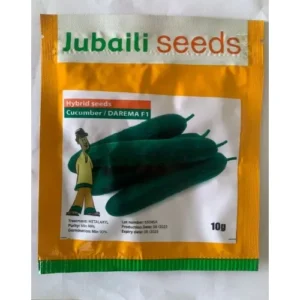 Hybrid Cucumber Seeds ? Darema F1 (10g) Grow high-quality, high-yield cucumbers with Darema F1 Hybrid Cucumber Seeds. Specially bred for vigorous growth and excellent fruit production, these seeds are perfect for both home gardeners and commercial farmers looking for superior results. Product Features: Variety: Darema F1 Hybrid Cucumber Weight: 10 grams Seed Type: Hybrid Growth Habit: Strong, vigorous vines with high disease resistance Fruit Characteristics: Straight, uniform, dark green fruits with a smooth, glossy skin and firm flesh Average Fruit Size: 18?22 cm in length Maturity Period: Early maturing ? ready for harvest in about 45?55 days after planting Ideal Climate: Thrives in warm, sunny conditions with well-drained soil Resistance: Tolerant to common cucumber diseases including powdery mildew and downy mildew Yield Potential: High yielding with consistent fruit set Benefits: Produces market-preferred fruits ideal for fresh consumption and sale Resistant to stress and adverse conditions, ensuring stable yields Compact growth allows for easier trellising and harvesting Suitable for both open-field and greenhouse cultivation Planting Instructions: Sow seeds directly into moist, well-prepared soil or raise in nursery trays. Spacing: 60?90 cm between rows, 30?45 cm between plants. Water regularly, especially during flowering and fruiting stages. Apply fertilizer as needed for optimal growth. Harvest when fruits are fully developed but still tender. Application: Perfect for backyard gardens, small-scale farms, and commercial cucumber production. Storage: Keep seeds in a cool, dry place away from direct sunlight until ready to plant. With Darema F1 Hybrid Cucumber Seeds, you?re guaranteed a robust harvest of delicious, uniform cucumbers ready to meet market demand or satisfy home use.
Hybrid Cucumber Seeds Darema F1 Seeds -10g
₦13,000.00 -
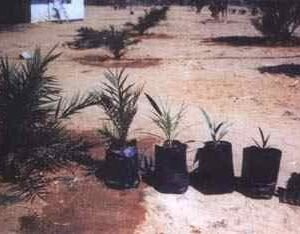 The hybrid date palm seedling (Phoenix dactylifera), also commonly known as ?hybrid date?, is a flowering plant species in the palm family, Arecaceae, cultivated for its edible sweet fruit. The hybrid date palm seedlings grow into trees reaching about 21?23 metres (69?75 ft) in height, growing singly or forming a clump with several stems from a single root system. Hybrid date fruits (dates) are oval-cylindrical, 3 to 7 centimetres (1 to 3 in) long, and about 2.5 centimetres (1 in) in diameter, with colour ranging from bright red to bright yellow, depending on the variety. Containing 61?68 per cent sugar by mass when dried, hybrid dates are very sweet and are enjoyed as desserts on their own or within confections. Hybrid Date Palm Seedlings can take about 4 to 8 years planting before they bear their fruit. They usually require well-drained deep sandy loam soils with a pH of 8-11. A lot of benefits can be gotten from this improved hybrid variety as they are great sources of essential nutrients. Benefits of Hybrid Date Palm Seedlings Dates from the hybrid date palm have an excellent nutrition profile. They are high in fibre that can benefit your digestive health by preventing constipation. Hybrid Dates provide various antioxidants that have a number of health benefits to offer, including a reduced risk of several diseases. They help to promote brain health. Hybrid dates have been studied for their potential to promote and ease late-term labour in pregnant women. They are excellent natural sweeteners. They help in blood sugar control and promote bone health. Hybrid Dates are incredibly versatile and make a delicious snack. They are often paired with other foods, such as almonds, nut butter or soft cheese. Place your order for our Hybrid Date Palm Seedling today. We deliver nationwide.
Hybrid Date Palm Seedling
₦2,600.00 -
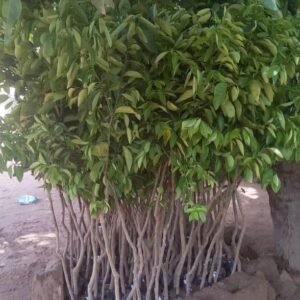 Hybrid Orange Seedling We offer hybrid orange seedling (citrus) which is a high-quality product for your orange plantation. The orange tree is an evergreen, flowering tree, with an average height of 9 to 10 m (30 to 33 ft.), although some very old specimens can reach 15 m (49 ft.). Its oval leaves, alternately arranged, are 4 to 10 cm (1.6 to 3.9 in) long and have crenulate margins. We offer the best varieties which are of good health condition and sold at competitive prices. We deliver the seedlings nationwide. ? What you need to know about Hybrid Orange Seedling Acquire your seedlings from reputable farms, preferably at the onset of rains. If not acquired at the onset of rains, ensure you adequately provide irrigation to the seedlings. Prepare the field and dig planting holes 60 x 60 x 60 cm. During planting, use well-rotted manure with topsoil. Spacing varies widely, depending on elevation, rootstock, and variety. Generally, trees need a wider spacing at sea level than those transplanted at higher altitudes. Usually, the plant density varies from 150 to 500 trees per ha, which means distances of? 5 by 6 meters or 7 by 8 meters (oranges, grapefruits, and mandarins). It is very important to ensure that seedlings are not transplanted too deep. After planting, the seedlings ought to be at the same height or preferably, somewhat higher than in the nursery. Under no circumstances must the graft union ever be in contact with the soil or with mulching material if used. Keep the trees free of weeds. Maintain a single stem up to a height of 80-100 cm. Remove all side branches/rootstock suckers. Pinch or break the top branch at a height of 100 cm to encourage side branching. Allow 3-4 scaffold branches to form the framework of the tree.
Hybrid Orange Seedling
₦4,550.00 -
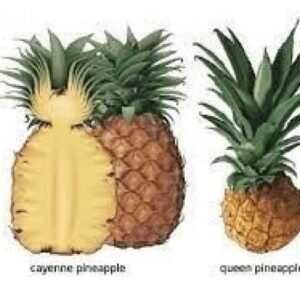 Looking to start or expand your pineapple farm with the best hybrid varieties? Look no further! At Allschoolabs Farms, we offer top-grade hybrid pineapple suckers that are meticulously selected and nurtured to ensure they are healthy, disease-free, and ready for planting. Our hybrid pineapple suckers are bred for superior yield, disease resistance, and adaptability to various climates. Why Choose Allschoolabs Farms Hybrid Pineapple Suckers? High Yield Varieties: Our hybrid pineapple suckers are from high-yield varieties that promise robust growth and abundant fruit production. These varieties are engineered to maximize productivity and profitability. Disease-Resistant: Our suckers are cultivated to resist common pineapple diseases, ensuring your plants stay healthy and productive throughout their growth cycle. This reduces the need for chemical treatments and promotes a healthier farming environment. Climate Adaptability: Our hybrid pineapple suckers are suitable for various climates, making them ideal for different geographical regions. Whether you are in a tropical zone or an area with variable weather conditions, our suckers are bred to thrive. Sustainable Farming Practices: At Allschoolabs Farms, we use environmentally friendly farming techniques to grow our hybrid pineapple suckers, promoting sustainable agriculture. Our practices help protect the environment while ensuring high-quality produce for our customers. Our Hybrid Pineapple Suckers Pineapples are a tropical fruit loved worldwide for their sweet flavor and nutritional benefits. Our hybrid pineapple suckers are: Varieties Available: We offer popular hybrid varieties such as MD2, Queen, and Smooth Cayenne. Each variety is known for its unique characteristics, including taste, size, and growth requirements. Size and Health: Each sucker is carefully inspected for size, health, and readiness for planting. We ensure that our suckers are of the highest quality to provide a strong start for your pineapple plants. Growth Potential: Expect your hybrid pineapple plants to mature within 18-24 months, yielding large and juicy pineapples. Our suckers are selected to ensure rapid and robust growth, providing you with a plentiful harvest. How to Plant and Care for Your Hybrid Pineapple Suckers Planting: Choose well-drained soil and plant your suckers at a depth of about 3-4 inches, ensuring they are spaced 4-5 feet apart to allow for growth. Proper spacing is crucial to allow each pineapple plant to thrive without competition for resources. Watering: Water regularly, especially during dry periods, but avoid waterlogging to prevent root rot. Consistent and adequate watering ensures that your plants receive the necessary hydration for optimal growth. Fertilization: Use organic fertilizers to provide essential nutrients and promote healthy growth. Organic fertilizers are preferable as they enhance soil fertility and structure without harming the environment. Pest Control: Monitor your plants for pests and use organic pest control methods to protect your crops. Regular monitoring and early intervention can prevent pest infestations and maintain plant health. Benefits of Growing Hybrid Pineapples Nutritional Value: Pineapples are rich in vitamins, minerals, and antioxidants, making them a healthy addition to any diet. They are versatile and can be used in various culinary applications, from fresh consumption to cooking and juicing. Economic Value: Pineapples are a high-demand crop, providing a lucrative opportunity for farmers. The consistent demand for pineapples ensures a steady market for your produce, contributing to economic stability. Environmental Impact: Growing pineapples helps improve soil health and promotes biodiversity. Pineapple cultivation can enhance soil structure and fertility, making it a beneficial crop for sustainable farming practices. Order Now and Start Your Pineapple Farming Journey with Allschoolabs Farms! Ready to get started? Order your hybrid pineapple suckers from Allschoolabs Farms today and enjoy the benefits of high-quality, disease-resistant plants. Easy Ordering Process: Simply select the quantity and varieties you need, and we?ll handle the rest. Our user-friendly platform ensures a smooth and hassle-free purchasing experience. Fast Shipping: We offer quick and reliable shipping to ensure your suckers arrive in optimal condition. Timely delivery helps you get started with your planting as planned. Customer Support: Our team is here to assist you with any questions or concerns you may have. We provide dedicated support to help you throughout your farming journey. Contact Us: If you have any questions or need more information, feel free to reach out to us
Hybrid Pineapple Suckers | Smooth Cayenne | Sugar loaf | Queen
₦325.00 -
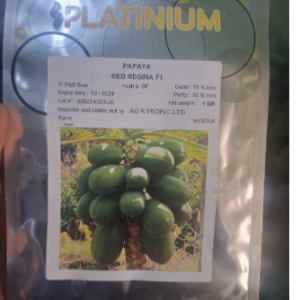 Platinum Red Regna Papaya Platinum Red Regna Papaya is a premium hybrid papaya variety bred for farmers, gardeners, and agribusinesses seeking high yield, rich flavor, and excellent market appeal. With its bright red flesh, natural sweetness, and strong disease tolerance, this papaya is a top choice for both local and export markets. Key Benefits of Platinum Red Regna Papaya Early Maturity ? Begins fruiting within 8?10 months after transplanting, allowing farmers to recover investments quickly. High Yield Potential ? Delivers up to 60?100 tonnes per hectare under good management practices. Superior Fruit Quality ? Medium to large fruits with uniform shape, smooth golden skin, and deep red flesh that is juicy, aromatic, and nutrient-rich. Long Shelf Life ? Retains freshness and firmness, making it ideal for long-distance transport and export. Disease Resistance ? Tolerant to common papaya diseases including papaya ringspot virus (PRSV), reducing crop loss. Wide Adaptability ? Thrives in tropical and subtropical regions, with best results in well-drained, fertile soils. Versatile Use ? Perfect for fresh consumption, juice production, fruit salads, and value-added processing. Agronomic Guidelines Soil Requirement: Fertile, well-drained soils with a pH of 6.0?7.5. Planting Spacing: Recommended spacing is 2m ? 2m for optimum growth. Fertilization: Balanced fertilizer rich in nitrogen, potassium, and micronutrients ensures maximum yield. Maintenance: Regular irrigation, mulching, and timely pest management improve productivity. Why Farmers Choose Platinum Red Regna Papaya Platinum Red Regna Papaya is profitable, reliable, and in high demand. Farmers prefer it for its consistent harvest, premium market price, and consumer appeal. Its attractive color, sweetness, and storability make it a preferred choice for supermarkets and fruit exporters. ? Platinum Red Regna Papaya ? The hybrid papaya variety that delivers premium quality, high yield, and excellent market value. Perfect for commercial farming and agribusiness success.
Hybrid Red-Fleshed Papaya Seed
₦29,250.00 -
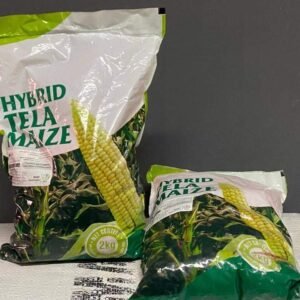 HYBRID TELA MAIZE is a genetically modified variety of maize (corn) developed to be resistant to certain pests and tolerant to herbicides. The TELA maize project is a collaborative initiative aimed at improving food security and agricultural productivity in Africa, particularly in sub-Saharan regions. Here are some key points about TELA Maize: Pest Resistance: HYBRID TELA MAIZE is engineered to resist common maize pests such as the stem borer and fall armyworm. This resistance is achieved through the incorporation of Bacillus thuringiensis (Bt) genes, which produce proteins toxic to these pests. Herbicide Tolerance: The maize is also designed to tolerate specific herbicides, allowing farmers to manage weeds more effectively without harming the crop. Collaborative Effort: The project is a collaboration between various organizations, including the African Agricultural Technology Foundation (AATF), national agricultural research systems (NARS), and international partners like Monsanto (now part of Bayer) and CIMMYT (International Maize and Wheat Improvement Center). Regulatory Approvals: TELA maize has undergone rigorous testing and regulatory approvals in several African countries to ensure its safety for human consumption and the environment. Benefits: The introduction of TELA maize aims to reduce crop losses due to pests and weeds, increase maize yields, and contribute to food security and economic growth in participating countries. Adoption: TELA maize is being promoted in countries such as Kenya, Nigeria, Tanzania, Uganda, and Mozambique, with ongoing efforts to expand its reach to other regions facing similar agricultural challenges.Planting and growing TELA maize involves several steps to ensure a successful harvest. Here?s a general guide: 1. Land Preparation Select a Suitable Site: Choose a well-drained field with fertile soil and good sunlight exposure. Soil Testing: Test the soil to determine its pH and nutrient levels. Maize grows best in soil with a pH of 5.5 to 7.0. Land Clearing: Clear the land of weeds, debris, and previous crop residues. Tillage: Plow and harrow the field to a fine tilth to create a good seedbed. 2. Seed Selection and Treatment Quality Seeds: Use certified TELA maize seeds from a reputable supplier like Allschoolabs Farms to ensure high germination rates and pest resistance. Seed Treatment: Treat the seeds with recommended fungicides or insecticides if not pre-treated. 3. Planting Planting Time: Plant during the onset of the rainy season to ensure adequate moisture. The specific time will vary depending on the local climate. Spacing: Plant seeds at a spacing of about 75 cm (between rows) by 25-30 cm (within rows) to ensure optimal growth and development. Planting Depth: Sow the seeds about 5 cm deep in the soil. Planting Method: You can plant manually or use a planter machine for larger fields. 4. Weed Management Herbicide Use: Apply pre-emergence herbicides to control weeds. TELA maize is tolerant to specific herbicides, so use those recommended for this variety. Manual Weeding: Perform manual weeding if necessary, especially during the early growth stages. 5. Fertilization Basal Fertilizer: Apply a basal dose of fertilizer (e.g., NPK 15-15-15) at planting. Top Dressing: Apply top-dressing fertilizer (e.g., urea or CAN) when the maize is knee-high and at the tasseling stage for better growth. 6. Pest and Disease Management Monitoring: Regularly monitor the field for pests such as stem borers and fall armyworms, even though TELA maize is resistant. Pesticides: Use appropriate pesticides if pest levels exceed economic thresholds. Disease Control: Keep an eye out for diseases and apply fungicides if necessary. 7. Water Management Irrigation: Ensure adequate moisture, especially during critical growth stages like germination, flowering, and grain filling. Irrigation might be necessary in areas with inadequate rainfall. 8. Harvesting Timing: Harvest when the maize cobs are fully mature, usually when the husks are dry and the kernels are hard. Harvest Method: You can harvest manually or use a mechanical harvester for larger fields. 9. Post-Harvest Handling Drying: Dry the maize cobs thoroughly to reduce moisture content and prevent mold growth. Storage: Store the dried maize in a cool, dry place in well-ventilated bags or containers to protect it from pests and moisture. Additional Tips: Record Keeping: Maintain detailed records of planting dates, inputs used, and any issues encountered. Extension Services: Seek advice and support from local agricultural extension services for the best practices in your area. By following these steps and adapting them to local conditions, you can achieve a successful TELA maize crop.
HYBRID TELA MAIZE | 5KG
₦0.00 -
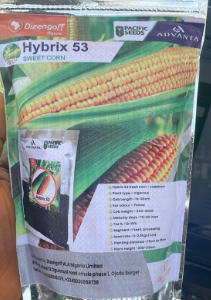 Hybrix 53 Sweet Corn is a high-yield, disease-resistant hybrid variety perfect for commercial farming and home gardens. Enjoy sweet, tender kernels with fast germination and excellent productivity. Product Overview Hybrix 53 Sweet Corn is a premium hybrid corn variety designed for maximum yield and superior taste. Its sweet, juicy kernels make it ideal for fresh consumption, processing, or selling in local markets. Hybrix 53 thrives in a variety of soil types, offering farmers and gardeners a reliable and productive crop. Scientific Name: Zea mays Variety Type: Hybrid Sweet Corn Seed Type: Hybrid F1 Growth Duration: 70?75 days to maturity Plant Height: 180?200 cm Key Features & Benefits High Yield: Produces abundant cobs with large, uniform kernels, ensuring excellent harvests. Sweet Taste: Tender and naturally sweet kernels ideal for eating fresh, boiling, or steaming. Disease Resistant: Resistant to common corn diseases like Maize Streak Virus (MSV) and leaf blight. Fast Germination: Seeds germinate quickly with strong, healthy seedlings. Versatile Use: Perfect for home gardens, commercial farming, and local market sales. Adaptable: Performs well in varied climates and soil conditions. Planting & Growing Instructions Seed Rate: 20?25 kg per hectare Spacing: 75 cm between rows, 25?30 cm between plants Soil Requirement: Well-drained, fertile soil with pH 5.5?6.8 Watering: Regular watering during germination and flowering; avoid waterlogging Fertilizer Recommendation: Apply NPK fertilizer as per soil test recommendations for best yield Harvesting Time to Harvest: 70?75 days from sowing Indicators for Harvest: Kernels are plump, milky, and sweet Storage: Freshly harvested cobs can be stored for 2?3 days in a cool, dry place Why Choose Hybrix 53 Sweet Corn? Hybrix 53 Sweet Corn is the go-to choice for farmers seeking high productivity and quality taste. Its hybrid vigor ensures uniform growth, high disease tolerance, and sweet, market-ready corn. Ideal for both small-scale and commercial cultivation, Hybrix 53 provides maximum profitability and satisfaction.
Hybrix 53 Sweet Corn: High quality yield
₦58,500.00 -
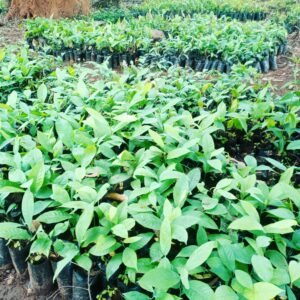 Irvingia wombulu (ogbono) seedling grows into a tree species that originated from Africa. Other common names for ogbono are bush mango, wild mango or odika. One thing about this plant is that it is versatile, that is, its fruits, nuts, seeds, and bark can be used for culinary, manufacturing, cosmetic, and medicinal purposes. Features of Ogbono The Irvingia wombulu (ogbono) seedling becomes a large tree with a dense evergreen crown and large buttresses. The simple leaves are asymmetrical and glossy on the upper surface. The bisexual flowers are yellow to pale greenish and are borne in small clusters. Irvingia wombulu (ogbono) seedling matures and fruits in three years At maturity, its fruit is a large edible drupe with thick fibrous flesh. They are notable for their edible yellow fruit. The seed kernels are commonly roasted like coffee beans, then pounded and poured into a mold before being added to boiling meat and vegetables. The seeds are also used to adulterate chocolate and ground to make flour. The fat is extracted from the seeds for soap and candlemaking. Some Benefits of Irvingia wombulu (ogbono) Edible Purposes. Irvingia gabonensis fruit can be eaten as fresh fruit. ? Antidiabetic Properties. ? Weight Management. ? Antibacterial and Antifungal Properties. ? Dye Production. ? Prevents Constipation. ? Aids Digestion. ? Astringent Purposes.
Irvingia wombulu (ogbono) seedling
₦3,250.00 -
 Italian Giant Parsley variety is from WellGrow seeds with that classic aromatic, mildly pungent yet sweet parsley flavour. Great as a garnish, salad herb, or just eating fresh straight from the garden. ?This variety is one of the best for cooking and retains its flavour and shape better than curly-leafed varieties, in fact, it can even be used in larger quantities as a green vegetable in dishes. Also good for drying and crushing into parsley flakes. Parsley is a rich source of folate, vitamin A, vitamin C, vitamin K, and iron. What Does Italian Giant Parsley Look Like? Even the farmer with moderate herbal knowledge may wonder, what does Italian parsley look like? This 6 to 12 inch (15-31 cm.) tall plant has sturdy, slender stems topped with flat, deeply divided leaves. The leaves are soft and pliable and useful whole or chopped. In fact, the entire stem is well cut up and used in chicken salad or other places where celery or some crunchy vegetable would be appropriate. You can even use Italian Gaint Parsley roots in salads or saut?s How to Grow Italian Giant Parsley Italian parsley herbs require temperate conditions. They don?t perform well in extremely hot areas and are prone to freezing back in cold climates. Choose a sunny site in well-draining soil with plenty of organic amendment. Use a fine mixture of potting soil, peat moss, and sand. Cover with 1/8 inch (3 mm.) fine dusting of soil, and keep the seeds misted and lightly moist. Thin seedlings to 10 to 12 inches (25-31 cm.) apart. Care of Italian Giant Parsley Allow the soil to dry out partially between watering. Water deeply approximately once per week and allow excess moisture to drain out. Fertilize plants in the ground in early spring with a balanced fertilizer. Potted plants may be fertilized monthly with a half dilution of liquid plant food. Trim what you need, taking the stems back to the core of the plant. If your plant is skinny and spindly, try moving it to a brighter area. Cut off any blooms as they occur, as this will cause the plant to seed and leaf production to diminish.
Italian Giant Parsley | Hybrid| 4g (1500 seeds)
₦5,849.99 -
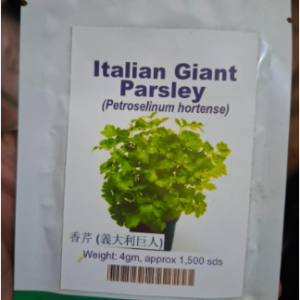 Parsley Seeds ? Fresh, Healthy, and Flavorful Herb for Your Garden Grow your garden?s flavor and yield with Italian Giant Parsley, a flat-leaf variety prized for its broad, dark green leaves, aromatic flavor, and strong performance in both kitchen gardens and commercial herb beds. Whether you?re seasoning your favorite dishes, preparing fresh garnishes, or preserving herbs for later, Italian Giant delivers both flavor and abundance. Features & Benefits Rich, robust flavor ? Sweet, slightly pungent parsley taste?perfect for sauces, soups, stews, and everyday cooking. Large, flat leaves ? More leaf surface per plant than curly types; ideal for harvesting and slicing. High yield ? Plants grow tall (30-80 cm) with strong foliage, providing a generous harvest through the season. Retains flavor well ? Even when cooked or dried, it keeps its taste better than many curly varieties. Versatile growth ? Suitable for growing in beds, pots, or herb gardens; can be harvested multiple times. Growing Instructions Sowing: Sow seeds from early spring (Feb-June) indoors or direct outdoors when danger of frost has passed. kokopelli-semences.com+2Sow Diverse+2 Depth & Spacing: Cover lightly (about 3?5 mm); space plants about 20-25 cm apart in rows ~30 cm apart. tamarorganics.co.uk+1 Soil & Light: Use well-drained, humus-rich soil; prefers full sun to partial shade. tamarorganics.co.uk+1 Watering & Care: Keep soil moist (not waterlogged), thin seedlings, harvest outer leaves to encourage growth, remove flower stalks to delay bolting. Allschoolabs Farms.com ? Nigeria+2tamarorganics.co.uk+2 ? Tips & Things to Know Germination can be slow; seeds may take up to 3-4 weeks (or more) under cool soil conditions. Chiltern Seeds+1 Bolting (flowering) will reduce leaf quality; regular harvesting and avoiding stress (heat, drought) can delay flowering. tamarorganics.co.uk+1 Uses & Nutritional Value Widely used fresh in Mediterranean, Italian, and Middle Eastern cooking for flavor and garnish. Rich in vitamins A, C, and K, iron, and micronutrients. Good for health, herb blends, and preserving
Italian Giant Parsley Seeds
₦4,875.00
CROP SECTION
Shop by Category
 No products in the cart.